
3LPP coating protects the outside of a steel pipe with three bonded layers rather than a single film. Its full form is three layer polypropylene coating: fusion-bonded epoxy against the blasted steel, a copolymer adhesive above it, then an extruded polypropylene jacket. The epoxy helps resist corrosion. Polypropylene handles heat and mechanical load, holding continuous service to around 110 °C and taking impact, abrasion and penetration better than a polyethylene jacket manages. Project specifications need it where the fluid runs at elevated temperature, where the ground is abrasive, or where the line will be handled hard before it goes into the trench.
Radisson Impex is a pipe coating contractor based in Mumbai, and we apply 3LPP coating to steel pipes for projects across India. We hold ISO 9001 certification, and our company was established in 2012. Our scope runs from 1 inch to 120 inches outside diameter, on seamless, ERW, LSAW and spiral welded pipe in mild steel, LTCS or alloy steel, at up to 18 metres and 24 tonnes a length. Bends, fittings and flanges can also be coated with a compatible polypropylene system using a method suited to their shape and project specification. Preparation runs to Sa 2½ by abrasive shot blasting, thickness follows the figure in your specification, and test certificates go out with the job. EPC contractors and government tender projects account for most of what we coat.
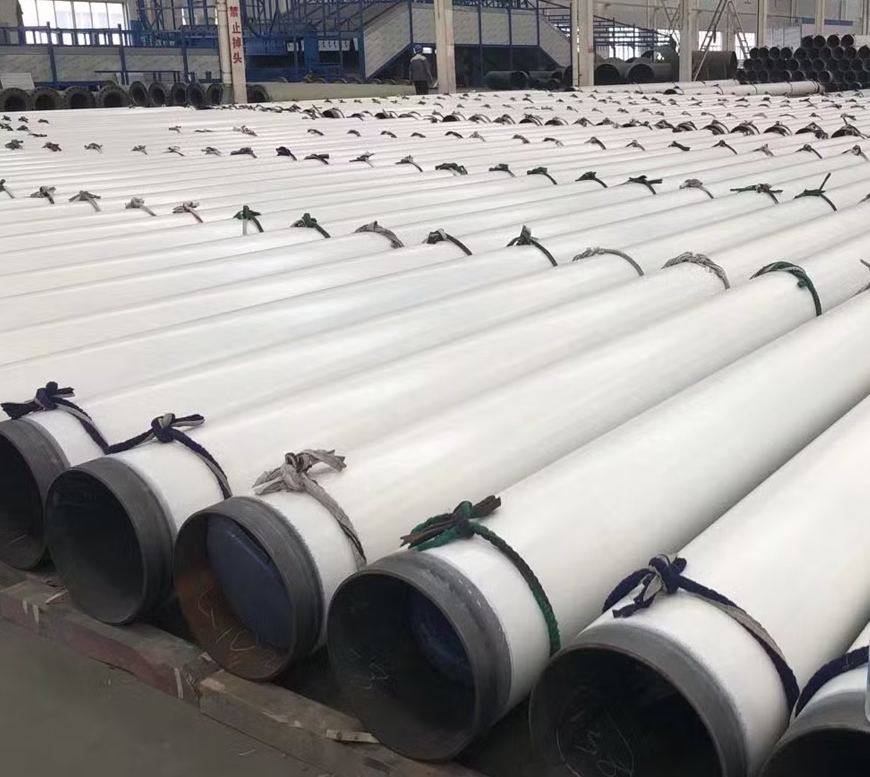
3LPP Coating Service Options
Applied at our Vasai factory or at your project site, pan-India.
-
At our facility
Factory coating
- Vasai factory
- Pipe transport arranged
-
At your project site
Onsite coating
- Pan India
- Coated at your project site
-
For existing pipes
Re-coating
- Old, used or rusted pipe
- Stripped, blasted, recoated
The 3LPP Coating System: Three Layers Explained
Three bonded layers make up the 3LPP coating system, and the split of work between them is what a specification is actually buying. Layer 1 is a fusion bonded epoxy primer holding the corrosion barrier. Layer 2 is a copolymer adhesive. Layer 3 is the extruded polypropylene topcoat that carries temperature resistance and mechanical protection. Tender documents write the same system in several ways, so you will see 3-Layer PP, 3 LPP and occasionally TLPP against an identical scope.

-
Layer 1: Fusion Bonded Epoxy (FBE) Primer
Fusion bonded epoxy powder meets pre-heated, blasted steel, and the powder melts there, curing to a thermoset film locked into the blast profile. Corrosion protection lives in this layer. Everything above it is there to keep this layer intact, which is why adhesion and cure matter more here than anywhere else in the build. Single layer fusion bonded epoxy coating is a service in its own right, where a thin film is what the specification asks for.
-
Layer 2: Copolymer Adhesive
Layer 2 is a copolymer adhesive, and on a polypropylene system that normally means a maleic anhydride grafted PP grade rather than the grafted PE grade a 3LPE build takes. Grafted polypropylene chemistry is what keeps the tie sound at temperatures that would soften a polyethylene adhesive. If you get this layer wrong or apply it outside its window, then the jacket disbonds from the epoxy long before either polymer reaches the end of its own service life.
-
Layer 3: Polypropylene Topcoat
The outer jacket is polypropylene, extruded onto the adhesive while the pipe still carries its process heat. Set against polyethylene, it is stiffer, harder and more resistant to penetration under point load, which counts when coated lengths are stacked, dragged or backfilled against rock. The polymer also softens at a much higher temperature, and that one property is the usual reason a polypropylene coating gets specified rather than the low-cost alternative. Water uptake stays low across the whole service range.
3 Layer Polypropylene Coating Specifications
The table below sets out the 3LPP coating specification for the materials we accept and the coatings we apply within our broader external pipe coating work. If anything falls outside these figures, please raise it with us in an enquiry.
| Parameter | Scope |
|---|---|
| Coating system | Layer 1 fusion bonded epoxy primer, Layer 2 copolymer adhesive, Layer 3 polypropylene topcoat |
| Pipe types accepted | Seamless, ERW, LSAW, spiral welded (HSAW) |
| Substrates accepted | Mild steel (MS black), LTCS, alloy steel |
| Line pipe | API 5L / ISO 3183 line pipe, Grade B through X80 in PSL 1 and PSL 2 terms, and up to X120 in PSL 2 where the project specifies it |
| Components coated | Straight pipe, fittings, bends, flanges |
| Outside diameter range | 1 inch to 120 inches |
| Maximum pipe length | 18 metres |
| Maximum weight per pipe | 24 tonnes |
| Surface preparation | Abrasive shot blasting to Sa 2½ or Sa 3 where specified |
| Coating thickness | Applied to the thickness stated in the customer specification |
| Continuous service temperature | Around 110 °C, with the lower limit near -20 °C |
3LPP Coating Standards
Surface preparation, thickness and the test regime all come from the 3LPP coating standard your tender names, and that document is the one we execute to. The table given below shows the standards and designations that cover 3LPP coating.
Country / Region / Designation / Standard title
- International (ISO)
- ISO 21809-1:2018Petroleum and natural gas industries. External coatings for buried or submerged pipelines used in pipeline transportation systems. Part 1: Polyolefin coatings (3-layer PE and 3-layer PP)
- India (IS)
- IS 15659 (Part 1) : 2006Petroleum and natural gas industries. External coatings for buried or submerged pipelines used in pipeline transportation of gas and liquid hydrocarbons. Part 1: Polyolefin coatings (3 layer PE and 3 layer PP)
- Germany (DIN)
- DIN 30678-1:2024 and DIN 30678-2:2024Polypropylene coatings of steel pipes and fittings. Part 1 factory-applied extruded coatings, Part 2 factory-applied sintered or flame-sprayed coatings. These replaced DIN 30678:2013
- Europe (EN)
- EN ISO 21809-1European adoption of ISO 21809-1, identical in scope to the ISO text
- France (NF)
- NF EN ISO 21809-1French adoption of the European text. It replaced NF A 49-711, the older French standard for three polypropylene layer external coating applied by extrusion
ISO 21809-1 is the international reference, and it covers three layer PP alongside three layer PE. IS 15659 (Part 1) is the Indian standard for the same two systems. BIS wrote it on its own in 2006, before ISO 21809-1 was first published, so it is not an adoption of the ISO text and some requirements differ. A domestic designation does exist to cite, even though most Indian tenders reach for the ISO number instead. Germany publishes the only major national standard written for polypropylene on its own. Older tender packs still list codes that have moved on, and two are worth checking before they reach a purchase order: NF A 49-711 has gone, and the Canadian and Chinese polyolefin coating standards in wide circulation are written for polyethylene rather than polypropylene.
Features and Benefits of 3LPP Coating
Six properties explain why a project pays the premium for polypropylene over polyethylene, and each one shows up on the job as either cost or risk.
-
Temperature headroom of roughly 30 °C over 3LPE
Continuous service to around 110 °C brings hot crude, wet gas upstream of cooling and heated process lines inside the coating's envelope, where a polyethylene jacket would be running at its limit.
-
Harder surface, higher penetration resistance
Polypropylene resists point loading better, so stacking bars, sling contact and rock in the backfill are less likely to cut through to the adhesive.
-
Abrasion tolerance in coarse ground
Sandy and stony routes wear a soft jacket during pull-in and backfill, and the harder topcoat holds its thickness longer under the same conditions.
-
Corrosion protection and mechanical protection in one system
The epoxy takes corrosion, the jacket takes handling, and neither gets traded against the other. A single film coating cannot cover both jobs at once.
-
A designation your tender already recognises
ISO 21809-1, IS 15659 (Part 1) and DIN 30678-1 all describe three layer polypropylene coating, so an engineer specifying it inherits a written inspection regime instead of drafting one.
-
Small defects can be repaired before the pipe leaves us
A minor discontinuity found at holiday detection is repaired and retested within the limits your specification allows, so one pinhole does not cost a whole joint.
3LPP Coating Process
Three stages are included in the 3LPP coating process: surface preparation, coating application, and inspection & handover. Our extrusion line takes the straight lengths. Fittings, bends and flanges are coated at a separate station. An extruder cannot follow their shape, so the polypropylene layer goes on by flame spraying / sintering. DIN 30678-2 covers this method. It is a sintered polypropylene build rather than the three-layer extruded one, so tell us at enquiry stage if your specification requires the extruded system on fittings.
-
Surface Preparation
Abrasive shot blasting takes the steel to Sa 2½, the near-white grade ISO 21809-1 sets as its minimum, or to Sa 3 where the specification asks for it, as IS 15659 (Part 1) does. Mill scale, rust and any previous coating come off, and the profile left behind gives the epoxy something to grip. Most early adhesion failures trace back to preparation rather than to the coating materials. An operator signs off the blasted surface before the pipe reaches the powder booth.
-
Coating Application
The blasted pipe goes up to temperature, then takes FBE powder electrostatically, and the powder melts against the hot steel. Adhesive goes on next, while the epoxy is still in its gel stage. The polypropylene jacket follows over that, and the timing between the three applications is what produces one bonded system instead of three separate films sitting on top of each other.
-
Inspection and Handover
We holiday test every coated length before release. Coating thickness, peel strength and degree of cure are tested at the intervals set by your specification and the governing standard, and every result is logged against the job number. Holidays found by the spark test are repaired and retested within the repair limits set by the specification. Every 3LPP pipe coating job leaves with its documentation package, and pipe ends stay clean so the welding crew is not scraping coating off a bevel at the site.
3LPP Coating Thickness and Performance
3LPP coating thickness follows the number in your project specification, and that number is what we coat to. Temperature limits and resistance behaviour come from the polymer itself.
Layer Thickness Ranges
Per layer figures and the total both come out of your specification, which in turn draws on whichever standard the project runs to. There is no company-wide dry film thickness range we publish, because a house figure laid over your document would leave the coating outside the document it has to satisfy.
Operating Temperature Range
Continuous service to around 110 °C is what a polypropylene topcoat is generally rated for, with the cold end sitting near -20 °C. That upper number is the whole commercial case for the material, and it is roughly 30 °C more than a polyethylene jacket will hold. ISO 21809-1 and IS 15659 (Part 1) both give polypropylene one design range, -20 °C to +110 °C. The line's design temperature and the epoxy primer chosen for it set the real limit, so work from the figure in your document.
Impact, Abrasion and Penetration Resistance
Polypropylene outperforms polyethylene on all three counts, which is what makes 3LPP the choice for pipe facing rough handling as well as heat. Penetration resistance is the property that shows up in a trench: a hard jacket resists a stone pressed against it under the weight of the pipe. Abrasion resistance matters during pull-in and backfill. Impact resistance covers stringing and lowering-in, the stages that account for much of the damage a coating ever takes.
Send Us Your 3LPP Coating Schedule for a Coating Quote
ISO 9001 certified coating operations, running from Mumbai since 2012 with pan-India execution. Factory photos, video of live application and a sample test certificate are available on request.
3LPP Coating Testing and Inspection
Measurements and written records are what confirm coating quality. Four checks are used. Holiday testing covers every pipe, and the other three run at set intervals during production:
-
Dry film thickness (DFT)
Readings across the coated surface are set against the figure your specification carries.
-
Holiday or spark testing
An electrical sweep of the jacket picks up pinholes and discontinuities that can be missed by the naked eye, and whatever it finds is repaired and retested before the length is released.
-
Adhesion (peel strength) testing
A strip of coating is peeled from the pipe to measure bond strength. The way it breaks is recorded too, because the coating must fail inside the adhesive or top layer, never at the steel or between layers.
-
Curing testing
We confirm the cure state of the epoxy, because an under-cured primer will not deliver the corrosion performance the rest of the build sits on.
If your contract requires a witnessed test or an inspector resident through the run, we work alongside the agency you appoint. Certificates and coating reports travel with the consignment, and that paperwork is what a procurement team actually awards a coating package on.
3LPP Coating Industrial Applications
Buried and submerged steel pipelines that run at heated temperature, or run through abrasive ground, are where 3LPP anti-corrosion coating earns its cost, along with the bends and fittings that go in beside them. Four groups make up most of the polypropylene coated pipe we handle.

Oil and Gas Pipelines
Crude and gas gathering lines leave the wellhead warm, and that is where polypropylene earns its place over a polyethylene jacket. Trunk lines carrying heated or waxy crude sit in the same bracket, since the heating that keeps the crude moving also sits on the coating for the service life of the line.

Water Transmission and Distribution Pipelines
Utilities and irrigation authorities push large diameter steel mains through soil that changes character every few kilometres, which is exactly the condition a single film coating struggles with. The three layer build keeps the pipe wall isolated for as long as the line stays in the ground. A polypropylene jacket suits stony and sandy routes in particular, where backfill scours rather than settles.
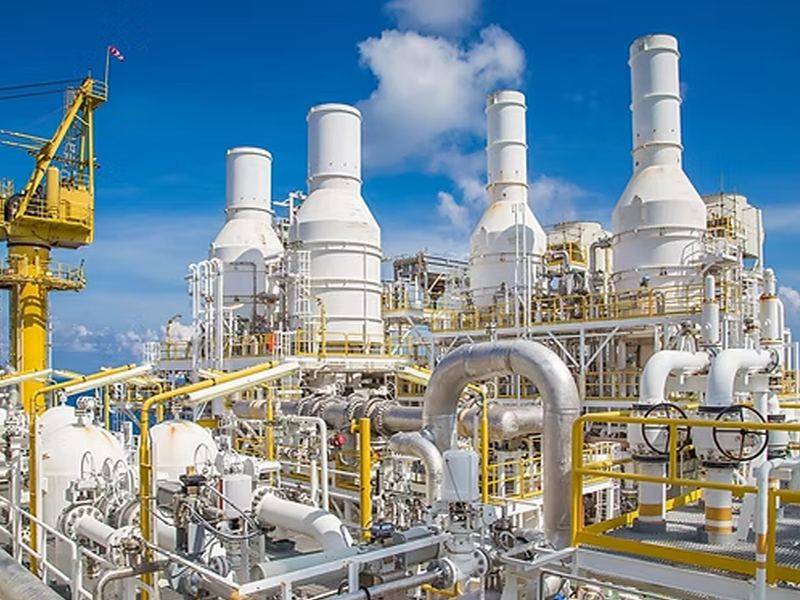
Chemical and Process Industry Piping
Buried process lines inside a plant boundary run hotter than cross-country pipe, over shorter distances and with far more fittings per metre. Coated bends and flanged spools matter more here than they do on a straight transmission run, because the fitting count is what makes a coating scope complicated and it is the part a fixed line profile cannot help with. Fire-fighting mains take the coating too.
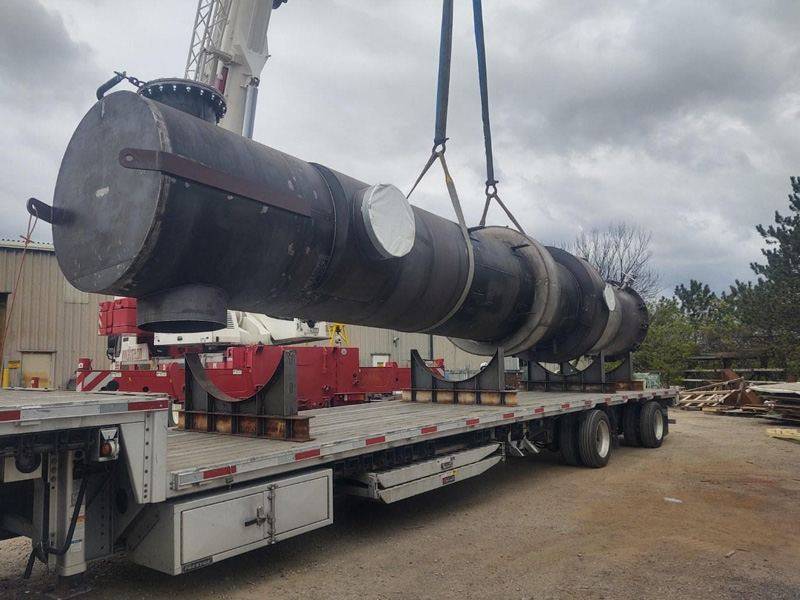
High-Temperature and Hot-Fluid Service Lines
Any line whose operating temperature sits above the polyethylene ceiling, up to about 110 °C, is a 3LPP line by default. Steam condensate returns, heated product lines and hot process water are the usual examples. Where a project specification quotes a continuous operating temperature beyond the polyethylene envelope but within about 110 °C, polypropylene is the topcoat needed for it.
3LPP Coating Cost in India
We charge per square metre, with 200 square metres as the minimum order. No single rate covers the range, because the same square metre of pipe prices differently according to what it is and what the specification asks of it. Four things move the number on a quotation:
- Outside diameter and the total coated length behind it
- The thickness and the standard your specification calls for
- Substrate condition, since stripping a rusted joint is more work than blasting a new one
- The mix of components, because a flange or a bend absorbs far more handling per square metre than a straight length
For the best quote on 3LPP Coating, contact us today at Radisson Impex with your project requirements.
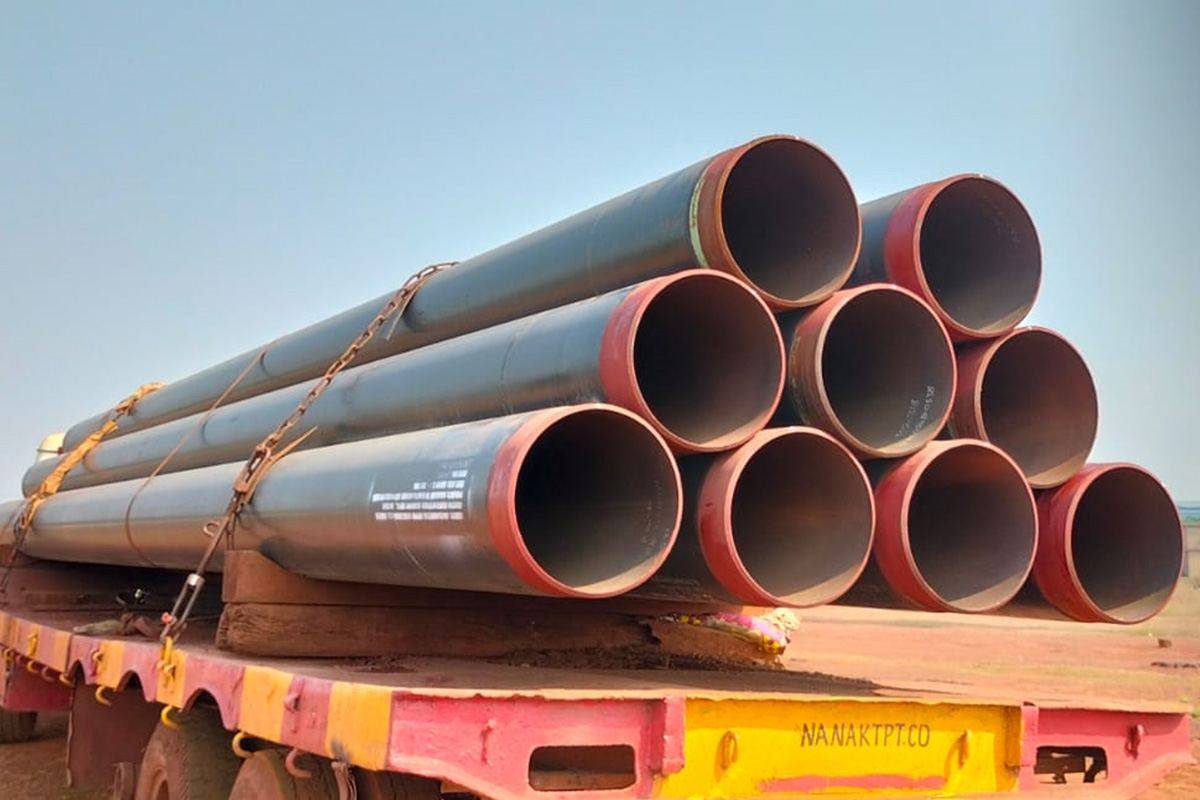
Why Choose Radisson Impex for 3LPP Coating
Three things are worth knowing before you place 3LPP coating work with us, and the same team carries out the rest of our pipe coating services.
- Bends, fittings and flanges get a matching polypropylene system at a separate station, rather than being turned away because they cannot go through a straight-pipe coating line.
- Your project document sets thickness, blast grade and testing, and we work inside it rather than asking you to adopt a standard of ours.
- Certificates and coating reports carry the DFT, holiday, adhesion and cure results, and a witnessed test is arranged when the contract asks for one.
3LPP Coating: Frequently Asked Questions
What is 3LPP Coating and what does the abbreviation mean?
3LPP coating means three layer polypropylene, and the three are an epoxy primer bonded to the steel, a copolymer adhesive, and a polypropylene jacket over both. All of it sits on the pipe's outer surface.
What is the difference between 3LPP and 3LPE Coating?
Both systems put an epoxy primer and an adhesive under the jacket. What changes is the outer polymer, and the adhesive grade is then chosen to bond to whichever polymer it is. Polypropylene buys temperature headroom and a harder surface; polyethylene costs less and goes colder.
What 3LPP Coating thickness do you apply?
Thickness comes from your project specification rather than from a company figure of ours. Send the document across, we'll confirm the per layer and total numbers with the quotation and dry film thickness readings then verify what actually went on.
What is the maximum operating temperature for 3LPP Coating?
Around 110 °C for continuous service. Both main standards rate polypropylene from -20 °C to +110 °C, but the design temperature in your own specification is the number to work from.
Which pipe types and materials can you coat?
Seamless, ERW, LSAW and spiral welded pipe, in mild steel, LTCS and alloy steel, from 1 inch to 120 inches outside diameter. API 5L line pipe from Grade B through X80 in PSL 1 and PSL 2, and up to X120 in PSL 2 where specified. Straight lengths, bends, fittings and flanges all come through.
Is 3LPP Coating suitable for water pipelines?
Yes, for external protection of buried water transmission and distribution mains. It is an external anti-corrosion system, so anything coming in contact with the water itself is an internal lining question and we will point you to the right coating for it.
Which 3LPP Coating standard do you work to?
ISO 21809-1, IS 15659 (Part 1) and DIN 30678-1 are the principal designations for the 3 layer coating. Whichever document your project is written to, that is the one we work from, so send it in with the enquiry.
Contact Radisson Impex for 3LPP Coating Availability and Lead Time. Send the pipe schedule and the governing specification, and we'll come back with scope, timing and a quotation.