
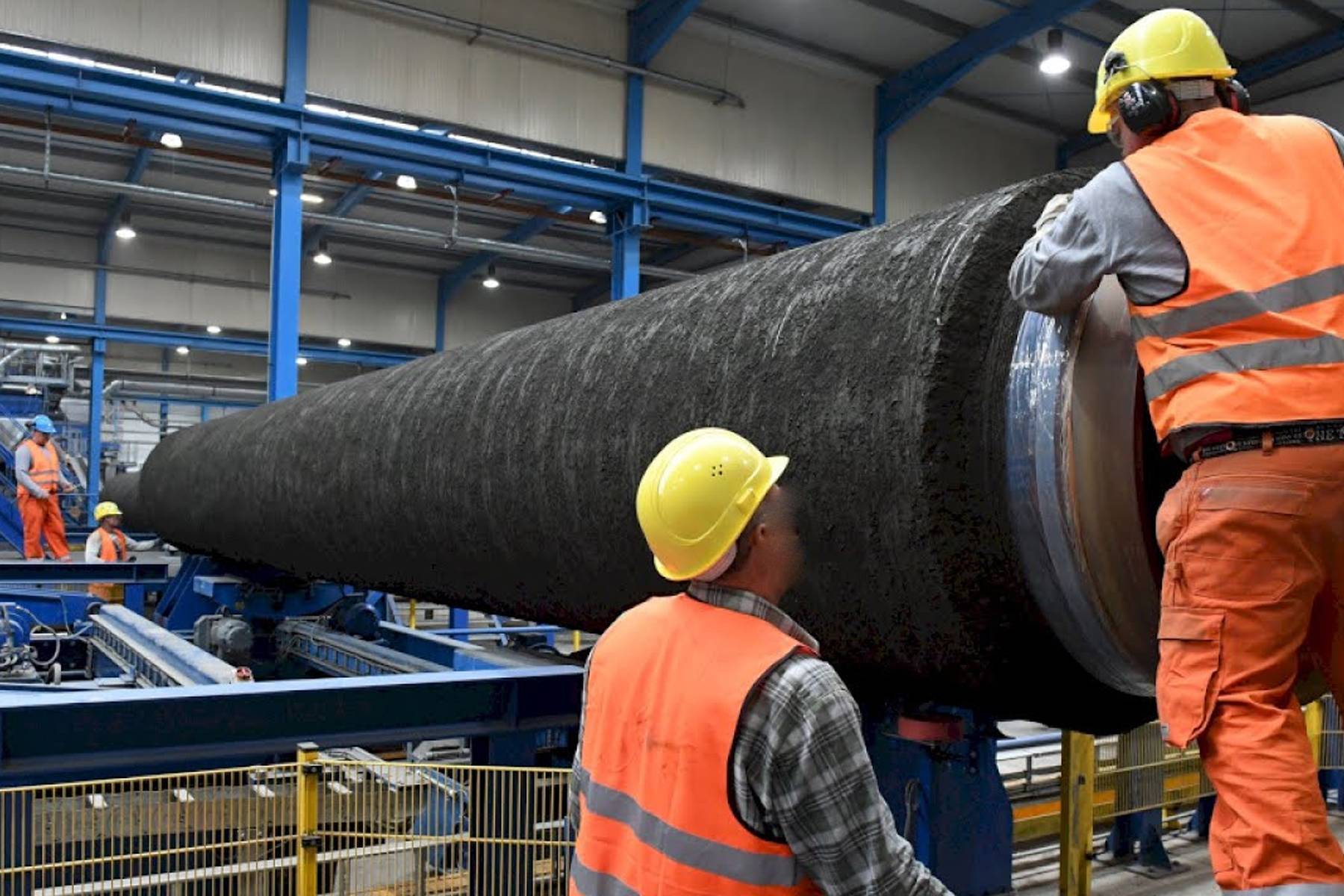
Concrete weight coating is a thick concrete layer applied over the anti-corrosion coating on steel line pipe. It adds weight so the pipe does not float when it crosses rivers, marshes or waterlogged ground. This coating is called CWC, concrete coated pipe or concrete coating pipeline. It also protects the pipe from stones, dragging and impact. Wire mesh keeps the concrete strong and helps prevent cracking. Concrete weight coating is important when specifying pipeline crossings.
Radisson Impex is a Mumbai-based pipe coating contractor established in 2012. We provide concrete weight coating services for projects across India. We are ISO 9001 certified. Two options are offered, 30 mm and 60 mm, each reinforced with double galvanised wire mesh of 25 x 63 x 2.5 mm and each proportioned to the concrete density named in your specification. Alloy steel, LTCS and mild steel (MS black) are the base materials accepted, including API 5L line pipe between Grade B and X120, and no single piece may exceed 18 metres or 24 tonnes. Pricing starts at 200 square metres. Most of our work comes from EPC contractors and government tenders.

Concrete Weight Coating Service Options
Applied at our Vasai factory to your thickness specification.
-
At our facility
Factory coating
- Vasai factory
- Pipe transport arranged
-
At your project site
Onsite coating
- Pan India
- Mobile setup near site
The Concrete Weight Coating System
Three things define a concrete weight coating system: the reason the pipe needs ballast at all, the reinforcement that keeps the concrete working as one shell, and the anti-corrosion coating already on the steel before any concrete arrives.

-
Why a Submerged Pipeline Needs Ballast
Buoyancy on a pipeline is a question of displaced volume rather than of steel weight. Steel pipe encloses a large volume of air or gas relative to its own mass, so the water it pushes aside can weigh more than the pipe, its contents and its coating combined. The imbalance peaks before commissioning, when the bore is empty and the trench has already flooded. An empty line in a wet trench lifts, bends and pulls at its own welds long before it ever sees product, and none of that damage is visible from the surface. Concrete raises the total mass until the line turns negatively buoyant and stays where the crew put it. Weight reaches a pipeline two ways on a crossing: as a continuous coating along the barrel, or as separate concrete pipeline weights fixed at intervals.
-
Double Wire Mesh Reinforcement
Our reinforcement is galvanised wire mesh of 25 x 63 x 2.5 mm, applied in a double layer. Concrete carries compression well and tension poorly, so an unreinforced shell cracks the first time the pipe is lifted, rolled or strung along a right-of-way. Mesh takes the tension the concrete cannot. Two layers rather than one spread that reinforcement through the build instead of concentrating it at a single plane, which matters most on the 60 mm thickness. Galvanising is the other half of the answer, since the mesh spends its whole service life inside a wet, buried material. Those dimensions are the ones we work to, and a project engineer can check them straight against a specification.
-
The Anti-Corrosion Coating Underneath
Concrete adds mass and mechanical cover, and it does no corrosion work at all. That job belongs to the film already bonded to the steel, normally 3LPE coating or a fusion bonded epoxy build. We apply both of these coatings ourselves, so the film and the ballast layer can be handled under one scope.
Concrete Weight Coating Specifications
Scope boundaries for our concrete weight coating specification appear below, covering build, reinforcement, substrate and commercial limits. Figures falling outside this table are still worth raising at enquiry.
| Parameter | Scope |
|---|---|
| Coating system | Concrete weight coating (CWC), reinforced with double wire mesh |
| Coating thickness | 30 mm and 60 mm |
| Reinforcement | Galvanised wire mesh, 25 x 63 x 2.5 mm, double layer |
| Concrete density | Applied to the density stated in the customer specification |
| Applied over | The anti-corrosion coating already carried by the pipe |
| Substrates accepted | Mild steel (MS black), LTCS, alloy steel |
| Line pipe | API 5L line pipe between Grade B and X120 |
| Maximum pipe length | 18 metres |
| Maximum weight per pipe | 24 tonnes |
| Outside diameter | Confirmed against your pipe schedule at enquiry, within our general external coating range of 1 inch to 200 inch. |
Concrete Weight Coating Standards
External concrete coatings have their own designation, separate from the polyolefin and epoxy parts of the same standards family, and the document your tender names is the one we execute to.
- International (ISO)
- ISO 21809-5:2017Petroleum and natural gas industries. External coatings for buried or submerged pipelines used in pipeline transportation systems. Part 5: External concrete coatings
- International (ISO, revision under way)
- ISO/DIS 21809-5Oil and gas industries including lower carbon energy. External coatings for buried or submerged pipelines used in pipeline transportation systems. Part 5: External concrete coatings. Draft revision of the 2017 edition
- Europe (EN)
- EN ISO 21809-5:2017European adoption of the ISO text, identical in scope
- Gulf region (GSO)
- GSO ISO 21809-5:2021Regional adoption of ISO 21809-5:2017
- Offshore (DNV)
- DNV-ST-F101, edition 2021-08, amended 2021-12Submarine pipeline systems. Carries weight coating requirements within the wider pipeline design standard. The document was previously designated DNV-OS-F101 and became DNVGL-ST-F101 in 2017 before the current numbering
Two details in ISO 21809-5 matter to you. First, the standard applies to concrete thicknesses of 25 mm or greater, so both our 30 mm and 60 mm builds sit inside its scope. Second, it states the purpose of external concrete plainly: negative buoyancy for buried or submerged pipe, mechanical protection for the pipe and its pre-coating, or both together. Forward the concrete weight coating specification governing your crossing. The scope and the testing regime are confirmed with you ahead of any price.
Features and Benefits of Concrete Weight Coating
Six properties explain why a crossing gets specified with concrete rather than handled another way, and each of them lands on either a project budget or a project risk register.
-
Ballast along the whole barrel
A continuous coating adds the same weight along the coated length of each pipe, with only the cutback at each end left clear for welding and field joint coating.
-
Mechanical cover over the corrosion barrier
Rock in the backfill, drag during pull-in and load from lay equipment all land on concrete instead of on a polyolefin jacket a few millimetres thick.
-
Two thickness options against one buoyancy figure
30 mm and 60 mm give a project a genuine choice rather than a single build it has to accept or reject.
-
Reinforcement that survives the wet
Galvanised mesh at 25 x 63 x 2.5 mm goes into a permanently damp material and stays sound there.
-
Density set by your document
The mix is proportioned to reach the density your specification names, so the submerged weight calculation your designer ran still holds after coating.
-
One scope for both coats
Anti-corrosion coating and weight coating can run under a single contract, which removes an interface and a handover from the programme.
CWC Pipe Coating Process
The CWC pipe coating process begins with a pipe that already carries its anti-corrosion coating and runs through three stages: inspection of that incoming coating, mesh placement with concrete application to the specified thickness, then curing and preparation of the pipe ends. No stage of it changes the film underneath.
-
Checking the Incoming Coated Pipe
We examine the anti-corrosion coating before concrete goes anywhere near it. Once the ballast layer is on, the film beneath is out of reach for the working life of the line, so any damage found at this point is dealt with at this point. Handling marks and stacking damage are what we look for first. If we have already applied the corrosion coating ourselves, this stage is completed faster because the coating details are already recorded in our job history.
-
Mesh Placement and Concrete Application
Galvanised mesh goes onto the coated pipe, then concrete is applied over it to the 30 mm or 60 mm thickness your specification names, with the second mesh layer built into the shell as the thickness comes up. The concrete weight coating thickness is measured against the figure in your document. The mix itself is proportioned to reach your specified density, and we work to that figure rather than publishing one of our own.
-
Curing and Pipe Ends
Concrete gains its strength over a curing period, and the coated length stays undisturbed while that happens. Pipe ends are held clear of concrete so the welding crew meets clean steel at the bevel, and the cut-back length comes from your specification. No length leaves us partway through its cure.
Concrete Weight Coating Thickness and Density
Concrete weight coating thickness is either 30 mm or 60 mm on our builds, and the concrete weight coating density behind it comes from your project document. Which combination a line needs is a design output rather than a preference.
The 30 mm and 60 mm Builds
Both builds take the same double galvanised mesh and the same density basis. What separates them is how much submerged weight each square metre of pipe surface has to add. A shallow canal crossing on a small diameter line rarely needs what a wide river bed or a marine approach demands, and specifying 60 mm where 30 mm satisfies the calculation adds cost and handling weight to no purpose. Where your design names a thickness of 30 mm or 60 mm, we coat to it. Other thicknesses can be discussed at enquiry.
Concrete Density
Density is the variable your designer works with, since the mass added per square metre follows directly from it. We apply the density your specification states and proportion the mix to reach it. We publish no company-wide density figure because a house number laid over your document would invalidate the submerged weight your design was signed off against.
How Coating Thickness Gets Decided
Pipeline concrete coating thickness calculation belongs to the pipeline designer. It takes in the pipe outside diameter and wall thickness, the weight of the steel and its anti-corrosion coating, the density of the product carried, the density of the surrounding water and the safety margin set by the design code. On marine approaches and fast-flowing crossings, wave and current loads are also considered. The result is a required submerged weight per metre, and thickness and density are then chosen together to deliver it.
Send Us Your Pipe Schedule for a Coating Quote
Send Us Your Pipe Schedule and Required Submerged Weight. Give us the diameter, coated length and the governing specification, and a price will follow.
Concrete Weight Coating Testing and Inspection
Four checks sit behind every concrete weight coating job, and keeping them apart makes the paperwork meaningful.
-
Checks on the anti-corrosion coating before concrete
Coating thickness readings, holiday detection and adhesion measurement all belong to the anti-corrosion coating bonded to the steel, and they run while that coating is still accessible. Those results already sit on the job record where we applied the corrosion coat under the same scope, which saves the buyer from chasing a second set of certificates from a second party.
-
Cure verification on the concrete
The ballast layer reaches its designed condition before the pipe moves anywhere. We confirm that state rather than assume it.
-
Acceptance criteria written into your specification
Concrete density verification, compressive strength sampling and coating thickness measurement are governed by the document your project runs to. Raise the regime your contract requires at enquiry, so it is agreed and priced with the rest of the scope.
-
Third-party inspection and documentation
Where a contract appoints a third-party inspection agency, that agency works alongside our own people. Test certificates and coating reports travel out with the coated lengths.
Concrete Weight Coating Industrial Applications
Concrete coating pipeline scopes come up wherever a line has to stay down in the ground that is wet, will become wet, or is under open water. Four groups cover most of the concrete coated pipes we handle, and the first is by some distance the largest in India.
River and Canal Crossings
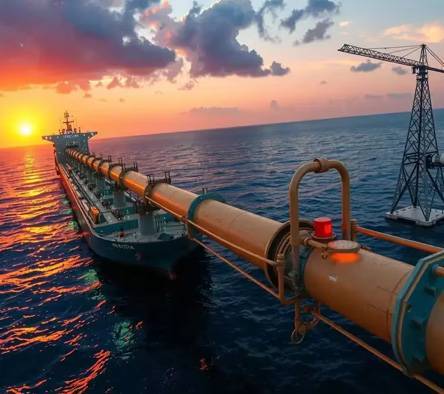
River crossings and irrigation canal crossings recur along any long cross-country transmission route, and each one is a buoyancy problem in its own right. Bed material shifts during monsoon flow, scour exposes sections that were buried at commissioning, and a line that lifts under those conditions puts load straight into its welds. Concrete weight coating pipeline lengths cover the crossing and its approaches, and the dry ground on either side stays on the standard external system.
Marsh, Wetland and High Water Table Ground
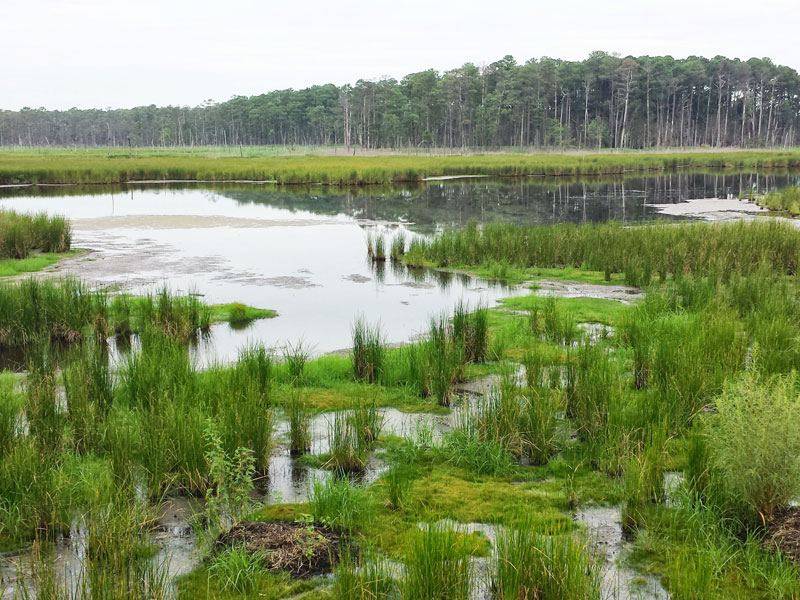
Ground with a permanently high water table sets up the same buoyancy case as a riverbed, minus the open water above it. Trench water arrives faster than backfill does, so the pipe starts floating before the crew has closed the section. Coastal belts, deltaic soils and low-lying agricultural land all fall into this category. CWC pipeline lengths through such ground follow the same buoyancy basis as an open water crossing.
Nearshore and Marine Approaches
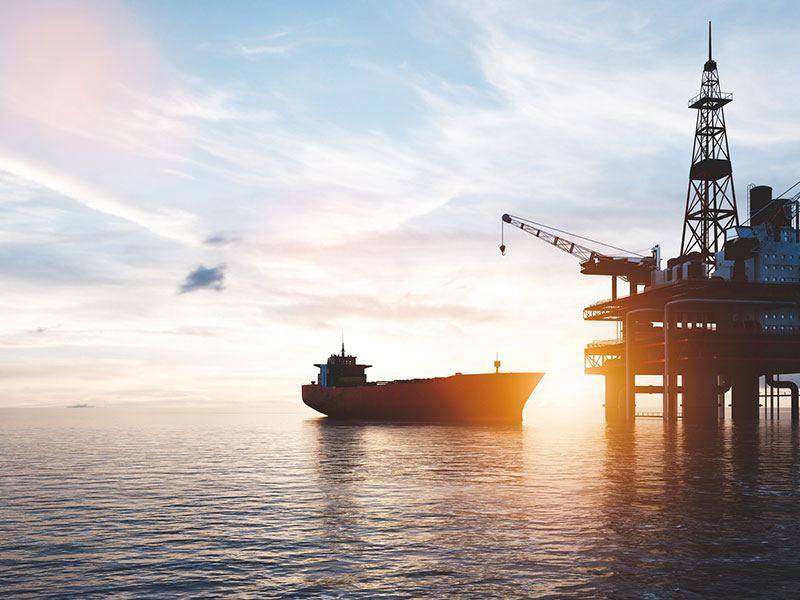
Landfalls, shore approaches and nearshore sections sit under continuous water contact, with wave action and current load working on the line on top of that. Stability on the seabed is the main requirement here, against both buoyancy and the sideways push of waves and current. The coating delivers that stability as mass rather than as anchorage, and thickness follows the submerged weight the design names.
Road, Rail and Mechanical Protection Duty
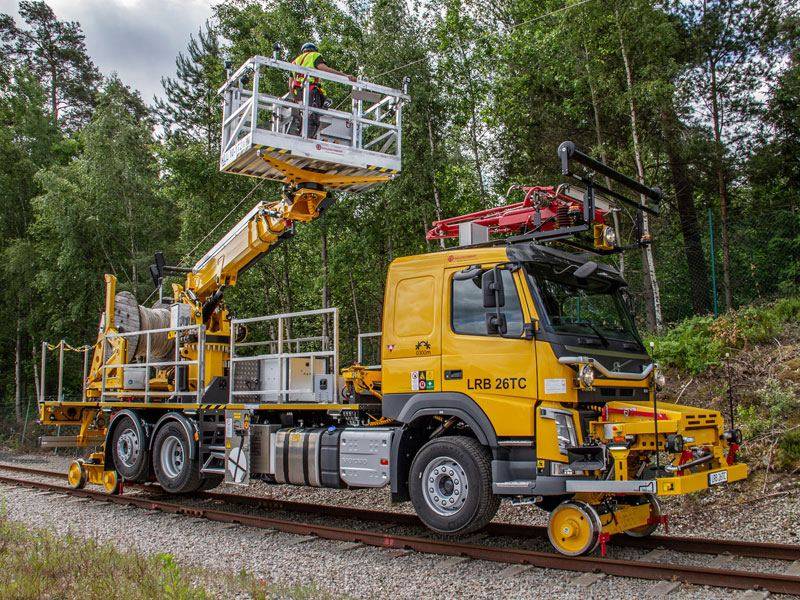
Where a line passes beneath a road, a rail formation or a stretch of rocky ground, the specification sometimes requires concrete purely as mechanical cover for the coating underneath. The buoyancy calculation drops out and thickness follows the protection requirement instead.
Concrete Weight Coating Compared With Anti-Corrosion Coatings
Concrete weight coating and anti-corrosion coating do different jobs on the same pipe, so the table below is a division of labour rather than a choice between products. A crossing through open water normally carries both of them. We apply 3LPE coating, 3LPP coating and a single-film epoxy coating alongside CWC, which is why we can treat the two coats as one scope.
One distinction is worth drawing before a specification is written. Concrete on the outside of a pipe is ballast, while cement based material on the inside is a lining that protects the bore.
| Factor | Concrete weight coating | 3LPE and 3LPP | FBE and other epoxy systems |
|---|---|---|---|
| Primary purpose | Negative buoyancy and mechanical cover | Corrosion protection with a mechanical jacket | Corrosion protection as a bonded film |
| Position in the build | Outermost layer | Directly on the blasted steel | Directly on the blasted steel |
| Typical thickness | 30 mm or 60 mm | Millimetres | Microns |
| Reinforced | Yes, double galvanised wire mesh | No | No |
| Replaces the other | No | No | No |
| Specified for | Water crossings, wet ground, marine approaches | Buried and submerged lines generally | Buried and submerged lines externally; internal lining as a separate system |
Concrete Weight Coating Price in India
Pricing runs per square metre of coated surface. The order floor is 200 square metres. One rate cannot cover concrete weight coating, since an identical square metre carries a different rate once thickness and density are settled. Four variables move a quotation:
- Coating thickness, since a 60 mm build takes twice the material depth of a 30 mm one
- Outside diameter and the coated area that follows from it
- Whether the anti-corrosion coating already sits on the pipe or forms part of the same scope
- Concrete density, since a higher specified density needs a heavier mix per square metre.
- Volume improves the rate, so quote us the full crossing schedule instead of a single length.
Why Choose Radisson Impex for Concrete Weight Coating
Four points are worth weighing before CWC work is placed anywhere, and this same team handles our wider pipe coating services.
- Reinforcement is published. Galvanised mesh at 25 x 63 x 2.5 mm in a double layer is what goes into the build, and it goes into the specification you receive.
- Both coats can come from one contract, so the anti-corrosion system and the weight coat are quoted, applied and documented together.
- Thickness and density come out of your project document.
- Every job closes with test certificates and a coating report, and witnessed testing is set up whenever a contract calls for it.
Concrete Weight Coating: Frequently Asked Questions
What is CWC and what does it mean?
CWC stands for concrete weight coating, a reinforced concrete layer applied over the anti-corrosion coating on steel line pipe. It adds enough mass to give the pipeline negative buoyancy so the line stays on the trench floor or seabed, and it shields the coating beneath from impact and abrasion.
What thickness of Concrete Weight Coating do you apply?
We apply 30 mm and 60 mm builds as standard, and other thicknesses can be discussed at enquiry.
What reinforcement goes into your Concrete Weight Coating?
The reinforcement is galvanised wire mesh of 25 x 63 x 2.5 mm, in a double layer, built into the concrete as the thickness comes up. Galvanising is specified because the mesh stays permanently damp inside the coating.
What concrete density can you achieve?
Density follows the figure in your project specification and the mix is proportioned to reach it.
Can Concrete Weight Coating be applied over 3LPE or FBE coated pipe?
Yes, and that is the normal arrangement. The concrete goes over the anti-corrosion coating rather than instead of it, and because we apply 3LPE, 3LPP and epoxy systems ourselves, both coats can sit inside a single scope.
How is the required coating thickness calculated?
The pipeline designer calculates it from pipe outside diameter, wall thickness, steel and coating weight, product density, water density and the margin set by the design code. For marine and fast-flowing water crossings, wave and current loads are added. That gives a required submerged weight per metre, and thickness and density are chosen together to meet it.
Which pipe materials do you coat?
Three substrate groups: alloy steel, LTCS and mild steel (MS black). API 5L line pipe is covered between Grade B and X120, to a limit of 18 metres in length and 24 tonnes in weight.
Which standard governs external concrete coatings?
ISO 21809-5:2017 is the international reference, adopted in Europe as EN ISO 21809-5:2017, and DNV-ST-F101 carries weight coating requirements for submarine pipeline systems. Whichever of these your project is written to becomes the document we execute against, so include it in the enquiry.
Contact Radisson Impex About Concrete Weight Coating Availability. Send the pipe schedule, the governing specification and the submerged weight your design requires, and you'll have scope, timing and a price back from us.