
A tape coating is an external anti-corrosion barrier formed by winding finished tape and primer spirally onto prepared steel pipe surfaces. While cold-applied systems require no melting or curing during application, traditional coal-tar tape systems involve different installation processes.
Wrap performance depends on tape formulation, primer quality, base material preparation, and the service environment. Proper application geometry, specifically correct overlap, wrapping tension, and seam continuity, determines whether the chosen tape becomes a sound barrier or a leaking one.
Radisson Impex is an ISO 9001-certified tape coating supplier and applicator for steel pipe projects. We wrap coal tar tape, and we supply cold-applied and polyolefin tape systems. We process mild steel, alloy steel and LTCS substrates, including API 5L line pipes from Grade B up to X120. We handle outer diameters from 1 to 200 inches, maximum lengths of 18 metres and piece weights up to 24 tonnes. Beyond straight lines, we wrap flanges, bends and fittings.
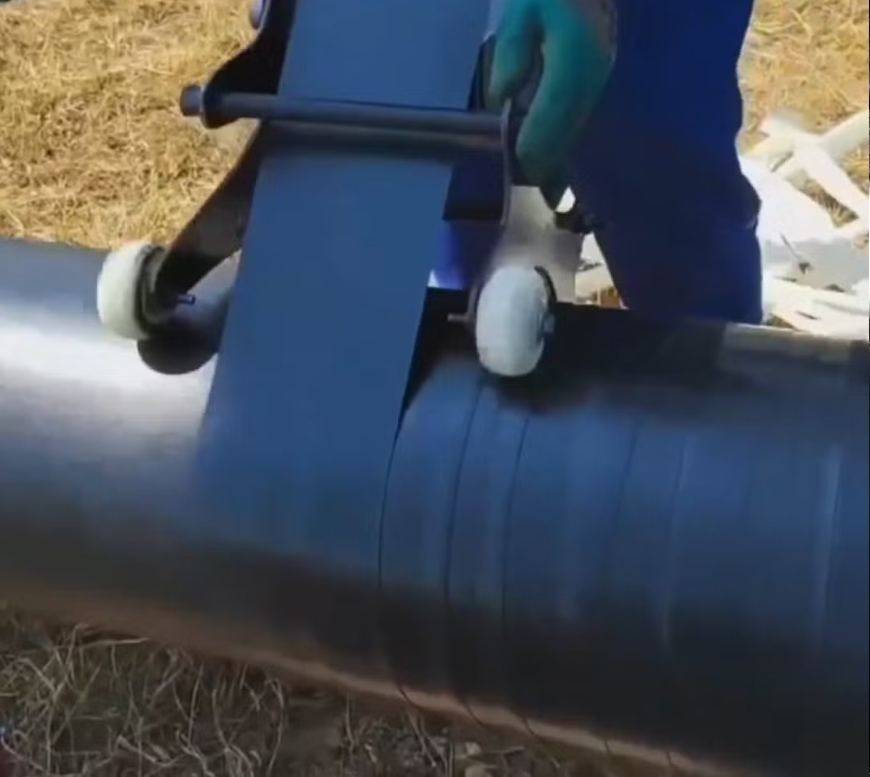
How a Wrapped Coating Works
A wrapped coating is built on the pipe, turn by turn, using pre-formed materials. The anti corrosive pipe wrapping tape and primer must suit the application. Surface preparation, overlap, wrapping tension and coating continuity then determine the quality of the finished wrap.

-
Winding Instead of Spraying or Fusing
Winding puts a manufactured tape onto steel rather than forming the film on the pipe. Powder melts, liquid hardens, and an extruded jacket grips as it cools. Cold-applied tapes go on at ambient temperature, while coal tar tapes are typically softened with heat as they are wound.
-
Primer, Inner Tape and Outer Tape
A common pipe-wrapping build uses primer, corrosion-protection tape and an outer mechanical layer, where the specification requires all three. Primer wets the prepared steel and hands the adhesive a compatible surface to grip, and where the tape system requires a primer, omitting it can lead to poor adhesion and edge lifting. The inner tape carries corrosion protection on a soft adhesive that stays plastic. The outer tape has a thicker backing and a firmer adhesive. It takes the mechanical load, stone contact, drag during lowering-in, and abrasion from coarse fill during installation and for as long as the line stays buried. A document calling for a three-layer tape coating means exactly those three items.
-
Overlap, Tension and Continuity
Overlap, application tension and coating continuity are key installation variables used to verify the specified wrap. Overlap is set by the applicable specification; 50% is common for some two-ply tape systems but should not be treated as universal. Tension is the second, and it's the harder one to get right. Insufficient tension can leave bridging or wrinkles over weld profiles, while excessive tension can distort or thin the tape; the specified tension range should control application. Continuity is verified through visual inspection and the electrical or physical tests specified for the coating system.
Tape Systems We Work With
Three categories of tape sit within our range. We wrap coal tar tape, and we supply cold-applied and polyolefin tape systems.
-
Coal Tar Tape
Coal-tar tape uses a coal-tar compound carried on a glass-fibre backing and remains specified as wrapping tape for underground pipeline applications. The specified coal-tar system provides a barrier against soil and moisture exposure, subject to its material and application requirements.
-
Cold Applied Tape Coating
Cold applied tape is a method rather than a single material, and every stage of it happens at ambient temperature with no cure step anywhere. Butyl rubber tape on a polyethylene backing is what most tenders mean when they write the term without qualifying it.
-
Polyolefin Tape
Polyolefin tape coating is an anti-corrosion system supplied by us. Utilising polyethylene or polypropylene backings with butyl or bitumen adhesives to match project specifications.
Tape Coating Specifications
The table states what a pipe wrapping tape coating enquiry gets checked against here: the build applied, the substrates and sizes accepted, and the routes by which material and labour can be bought.
| Parameter | Scope |
|---|---|
| Coating method | Primer followed by tape wound onto the pipe in a spiral. Cold-applied polyolefin systems normally use an inner corrosion tape and an outer mechanical tape; coal tar tape is heat-softened onto primed steel. Layer count follows the project specification |
| Tape families in scope | Coal tar tape (wrapped); cold applied tape and polyolefin tape (supplied) |
| Pipe types accepted | Seamless, ERW, LSAW, spiral welded (HSAW) |
| Substrates accepted | Mild steel (MS black), LTCS, alloy steel |
| Line pipe | API 5L line pipe, Grade B through X120 |
| Components wrapped | Straight lengths, plus flanges, bends and fittings from the same line |
| Outside diameter range | 1 inch to 200 inches |
| Maximum pipe length | 18 metres |
| Maximum weight per pipe | 24 tonnes |
| Surface preparation | To the grade named in the project specification; Sa 2½ where the document states none |
| Tape build and overlap | Tape class, layer count and overlap percentage taken from the customer specification |
Tape Coating Standards
Tape and wrapping systems carry designations of their own, written separately from the documents governing fused polyolefin and epoxy coatings. Each row below gives the designation now in force, the title it goes by, and what it governs.
- USA (AWWA)
- AWWA C209-25Hand-Applied Tape Coatings for Steel Water Pipe and Fittings. Liquid adhesive and tapes applied without the use of heat, in a shop or in the field
- USA (AWWA)
- AWWA C214-24Machine-Applied Polyolefin Tape Coatings for Steel Water Pipe. Prefabricated tape applied by machine in coating plants at fixed sites
- USA (AWWA)
- AWWA C217-23Microcrystalline Wax and Petrolatum Tape Coating Systems for Steel Water Pipe and Fittings
- USA (AWWA)
- AWWA C203-25Coal-Tar Protective Coatings and Linings for Steel Water Pipe and Fittings. Covers coal-tar enamel and coal-tar tape in one document
- Europe (EN)
- EN 12068:1998Cathodic protection. External organic coatings for the corrosion protection of buried or immersed steel pipelines used in conjunction with cathodic protection. Tapes and shrinkable materials. Coatings are classed A, B or C by mechanical resistance and rated to a maximum operating temperature
- Germany (DIN)
- DIN 30672-1:2026-07 and DIN 30672-2:2026-07Field coating materials for corrosion protection of buried pipelines. Part 1 covers requirements and product testing, Part 2 covers application and quality control. Covers field-applied joint and repair coatings, including tapes.
- India (IS)
- IS 18910:2024Cold Applied (Polyethylene/Polyolefin) Tape Coating for Mild Steel Water Pipelines: Specification. Published November 2024
- India (IS)
- IS 15337:2003Coal Tar Based Anticorrosion Tape for Protection of Underground Mild Steel Pipelines: Specification
- India (IS)
- IS 10221:2008Coating and Wrapping of Underground Mild Steel Pipelines: Code of Practice. Written around a hot applied coal tar enamel system
AWWA splits its tape documents by application method, so C209 governs hand application and C214 governs machine application inside a fixed coating plant. Wax tape pipe coating is covered separately under AWWA C217-23, which addresses microcrystalline wax and petrolatum tape coating systems for steel water pipe and fittings. In India, IS 10221 gets called up on cold tape enquiries, although it is a code of practice built around hot-applied coal tar enamel, and IS 18910:2024 is the Indian specification for cold-applied polyethylene or polyolefin tape on mild steel water pipelines.
ISO 21809-3 covers field joint coatings. ISO 21809-11 covers coatings applied in the field, including stripping a failed coating and recoating a buried oil or gas line. DIN 30672 covers field-applied joint and repair coating materials. ISO 21809-11 is the document to name where an existing coating is stripped and replaced in the field; for a new mainline wrap, use the AWWA, EN or IS document your project specifies.
Choosing a Tape System
Three questions settle the choice between coal tar, cold-applied and polyolefin tape system: what the governing document will accept, how warm the line runs, and what the surrounding ground does.
| Factor | Coal tar tape | Cold applied butyl and polyolefin tape |
|---|---|---|
| Barrier build | Coal-tar compound on a glass-fibre carrier | Polyethylene or polypropylene backing over a butyl or bitumen adhesive |
| Indian designation | IS 15337:2003 | IS 18910:2024 |
| American designation | AWWA C203-25 | AWWA C209-25 hand applied, AWWA C214-24 machine applied |
| Usually specified for | Buried water transmission and re-coating of older lines | Buried water lines under IS 18910 and AWWA; buried oil and gas lines under EN 12068 or the project specification. Also used on fittings and rehabilitation |
| Mechanical resistance | Moderate, raised by an outer wrap | Set by the outer tape the document names |
Document
IS 15337 or AWWA C203 in the coating clause points to coal tar. IS 18910, AWWA C209 or AWWA C214 points at a cold-applied polyolefin build. Where the specification carries an EN 12068 class such as B 30 or C 50, the letter states the mechanical resistance, and the number states the temperature ceiling.
Service Temperature
A cold-applied adhesive stays permanently plastic, and that same property lets it creep under load once the line runs above the tape's rated figure. Coal tar tape temperature limits are set by the manufacturer's data sheet and the governing specification.
Ground Condition
Soil that swells and contracts with moisture exerts sustained stress on the coating, and Rocky ground, severe soil and underwater crossings sit outside the AWWA tape standards, which say so directly. For those stretches, the project engineer specifies the extra plies, rock shield or outer wrap, and we wrap to that instruction. Wax tape for pipeline applications is covered by a separate AWWA specification where microcrystalline wax or petrolatum systems are required.
Features and Benefits of Tape Coating
Four characteristics separate a wrapped coating from a sprayed or fused one, and together they explain where tape is a better choice.
-
Cold-applied systems need no heat, no cure and no cooling period. A cold applied wrap protects from the moment it goes on. Nothing has to reach a melt point, nothing has to cross-link, and nothing has to be left to cool before the length can be moved.
-
Tape can accommodate irregular and shaped components, although these areas require controlled overlap, tension and hand application. Tape follows a bend or a taper because it is wound rather than thrown at the surface, although shaped areas need narrower rolls, controlled overlap and more hand work than straight barrel.
-
The repair material is the coating material. Damage found later is made good with the same roll, by hand, without a booth, an oven or a specialist rig.
-
The build can change along the route. Where the specification calls for it, a rocky stretch can carry more plies or an extra outer wrap than a sandy stretch, using the same tape system.
How Tape Coating is Applied
Cold-applied systems need no melting or curing. Coal tar tape is different: its face is softened with heat as it is wound. Preparation, priming and winding are the three stages, and shaped components take a fourth pass by hand.
-
Preparing the Steel
Preparation follows the grade printed in your specification. Sa 2½ by abrasive shot blasting is the standard grade across our coating scope, and it's what we blast to where a document leaves the point open. Tape systems are frequently written to a lower preparation grade than a fused coating. That grade moves both price and programme, so tell us which one the document names.
-
Winding the Tape
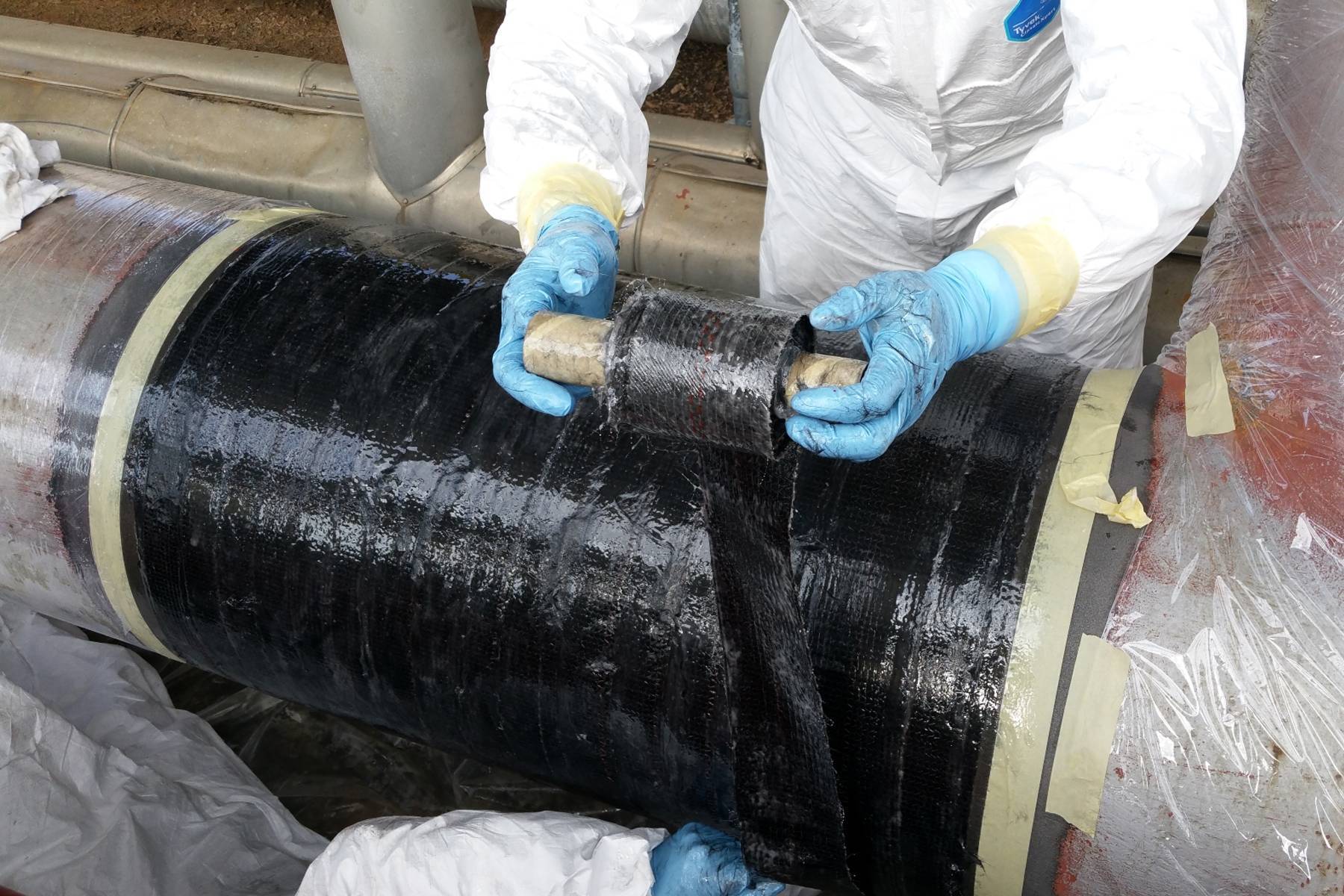
Primer goes down first and is left until it has flashed off. The wrapping coating tape then runs on spirally at the overlap the document states, wound at a steady tension so it beds against the wall without trapping air. The outer tape goes on directly over the inner tape, positioned so its overlap does not sit on top of the inner tape's overlap. Direction and overlap width follow the tape manufacturer's application instructions.
-
Coal Tar Tape Application
Coal tar tape follows a hot-applied sequence. After priming, the tape face is softened with a torch or heat source as it is wound onto the pipe, following the manufacturer's data sheet and the governing specification.
-
Wrapping Shaped Components
Shaped items take narrower rolls and more hand work than plain barrel. A 90-degree bend presents compound curvature and a tee adds an abrupt change in profile, so mastic filler goes in first to soften the profile and the tape is then moulded turn by turn over the top.
Send Us Your Pipe Schedule for a Coating Quote
Send the whole schedule at enquiry rather than one representative line, and the full scope prices as a single lot.
Inspection and Acceptance
Acceptance of a wrapped coating is judged on what the crew built, not on what the material could have delivered. Four things get examined before a wrapped pipe leaves our control.
-
Holiday (spark) test
we spark-test the corrosion tape at the specified voltage before the outer tape goes on, so any pinhole or bare spot is found in the layer that protects the steel.
-
Adhesion
Peel force is taken off the primed steel and off the layer beneath, then recorded against the value the tape class calls for.
-
Overlap and coating thickness
The achieved lap and the total build are measured against the figures in the document. A short lap on a hand-wrapped fitting is the defect found most often, and it shows up as a thin build.
-
Wrap tension and conformability
The finished surface is examined along the weld seam, where loose turns show as tenting and over-tight turns show as thinned tape.
Cure verification is not applicable to non-curing tape systems and should not be included unless the specified coating system requires it. Neither a cold-applied tape nor a cooled coal tar enamel passes through a cure state at all, so where an inspection and test plan lists cure verification against a wrapping package, we raise it at document review and propose the geometric checks that govern acceptance instead. Certificates travel out with the pipe, and third party inspectors named in a contract witness the same list.
Tape Coating Industrial Applications
Tape coating for pipelines is used to withstand decades of soil and groundwater with no maintenance access and on older lines being restored. Most of what we wrap belongs to four groups.
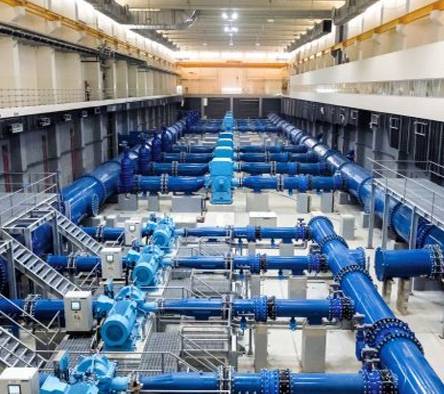
Water Transmission and Distribution Networks
Water supply and sewage networks are among the main applications for tape wrapping. A transmission main crosses soil that changes character every few kilometres, then has to last as long as the scheme itself. Distribution networks bring the fitting count up sharply, and anti corrosion tape for pipe covers the whole geometry with one method.

Oil, Gas and City Gas Lines
Buried crude, product and natural gas lines take a wrap on routes of moderate temperature. City gas distribution runs the same build at reduced diameter through congested urban ground. A wrap supports the cathodic protection system rather than substituting for it, which is precisely why EN 12068 exists.
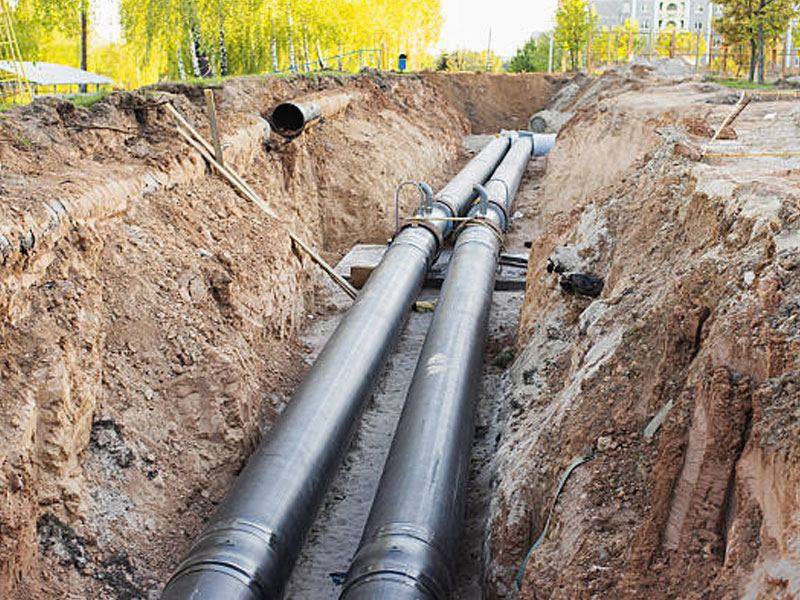
Buried Plant and Utility Headers
Inside a plant boundary, buried service lines, fire water mains and cooling water headers run short and crowded, with a fitting count per metre that no cross-country route comes close to. Tape can be suitable for these short, fitting-intensive runs when the coating specification and service conditions permit its use.
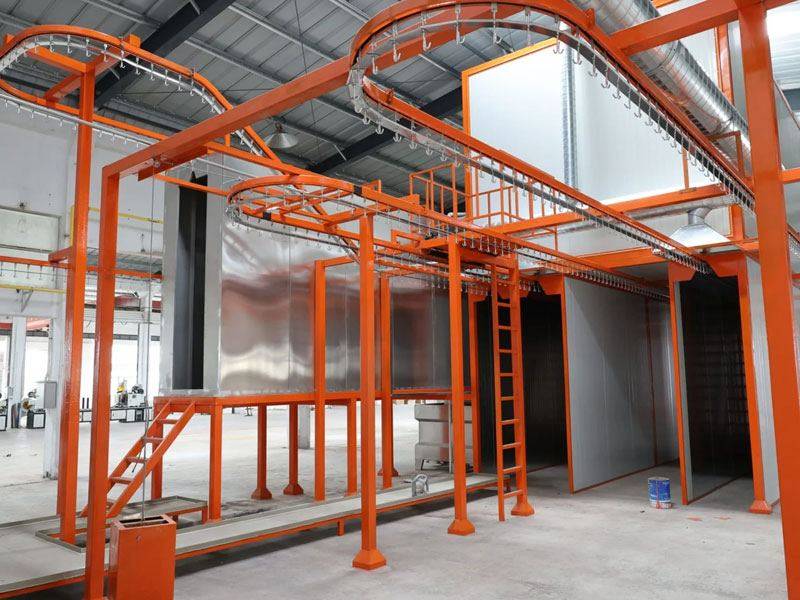
Lines Recovered From a Failed Coating
Pipelines laid decades ago often carry sound steel under a dead coating. Those lengths get stripped to bare metal, blasted, and rebuilt with new primer and tape end to end.
Tape Coating Cost
Wrapping is charged per square metre, and the smallest order we take is 200 square metres. Four variables move the figure on a quotation:
- Diameter and total wrapped length, since those two settle the coated area
- Layer count and overlap percentage, given that a half-width spiral lays down twice the material a butt wrap does
- The share of flanges, bends and fittings in the scope, each one hand wound and slower-going than plain barrel
- Condition of the steel arriving, since stripping a dead coating adds preparation hours
Why Choose Radisson Impex for Tape Coating
Four points define our scope for procurement and technical review, and our broader pipe coating services run out of the same operation.
- Three tape families sit under one roof.
- Preparation grade, tape class, layer count and overlap all follow your project document rather than a house standard.
- Shaped components are wrapped alongside the straight lengths they belong to, using filler and hand application where the profile requires it.
- Holiday, adhesion, overlap, tension and build findings reach you as certificates and a coating report, with witnessed inspection arranged whenever a contract calls for it.
Tape Coating: Frequently Asked Questions
What is Tape Coating?
Tape Coating is an external anti-corrosion system applied by spirally wrapping pre-formed protective materials onto Steel Pipe rather than spraying or extruding. The complete system typically combines a liquid primer, an inner Corrosion Tape, and an outer Mechanical Tape for physical protection.
What decides whether a Tape Wrap performs?
Performance depends equally on selecting the correct Tape Coating system for the operating environment and executing proper field application. Consistent wrapping tension, correct spiral overlap, uniform primer coverage, and thorough surface preparation prevent voids, wrinkling, and soil-stress failure.
Which tape systems do you apply, and which do you supply?
We wrap coal tar tape. We supply cold applied and polyolefin tape systems, so a project can take material, application, or both from us.
What surface preparation does a Tape Wrap need?
Surface preparation follows your engineering specification, with abrasive blast cleaning to Sa 2½ serving as our standard baseline. While elastomeric primers tolerate commercial blast or power-tool cleaning on certain repair jobs, near-white blast guarantees maximum long-term adhesive bonding.
How is a Tape Wrap inspected?
Quality inspection covers high-voltage holiday detection to locate pinholes, along with verification of total coating thickness, peel adhesion strength, and correct spiral overlap width. Unlike liquid epoxies, Tape systems do not need cure checks because they are non-curing materials. Adhesion is checked by peel testing instead.
Which standards cover Tape Coating in India?
IS 18910:2024 covers cold-applied Polyethylene Tape and Polyolefin Tape for Mild Steel Water Pipelines, while IS 15337:2003 governs Coal Tar Tape. Additionally, IS 10221:2008 serves as the standard code of practice for hot-applied Coal Tar Enamel wrapping.
Can bends, fittings, and flanges be wrapped?
Yes. Bends, tees, reducers, and flanges can be protected using narrower rolls of conformable Tape Wrap combined with specialised mastic filler. The filler levels out weld beads and abrupt shoulders, ensuring a smooth, void-free profile before wrapping.
Contact Us About Your Tape Coating Scope. Send the pipe schedule together with the coating document it is tendered against, and we will confirm scope, timing and rate.